
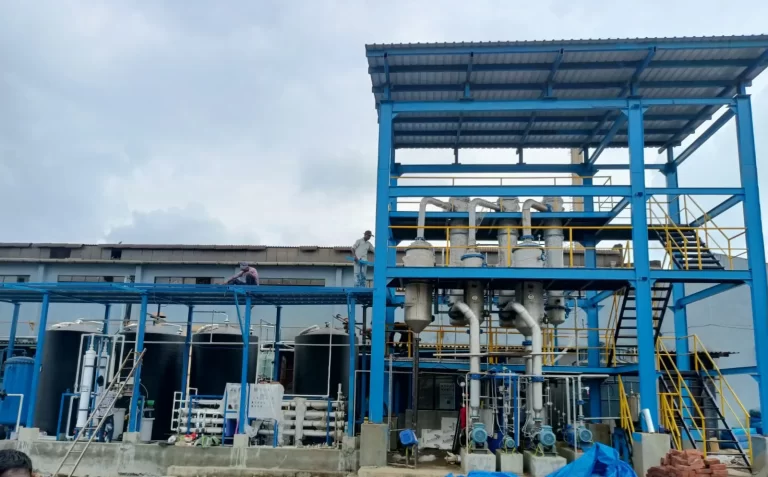
Optimizing Industrial Evaporation Efficiency
In industrial process engineering, choosing the right evaporation strategy is not a “one size fits all” decision. The efficiency, product quality, and operational cost of a plant depend heavily on the Feed Flow Pattern selected during the design phase.
The Triple Threat: Major Feed Patterns:
In modern industrial operations, three primary patterns dominate the landscape. Each offers unique advantages depending on the chemical and physical properties of the feed:
- Forward Feed
- Backward Feed
- Parallel Feed
Key Design Considerations
When selecting a flow pattern, engineers must evaluate six critical variables:
- Feed Viscosity: How thick is the material?
- Crystallization Temp: At what point do solids form?
- Operational & Capital Costs: Balancing OPEX and CAPEX.
- Ease of Operation: Complexity of control systems.
- Thermal Sensitivity: How does heat affect the final product?
Technical Breakdown
1. Forward Feed: The Gentle Approach
Ideal for heat-sensitive and biological products. Because the most concentrated liquid meets the lowest temperature effect, product degradation is minimized. It offers significant savings on electricity; however, it can struggle with elevated boiling points in the final stages as concentration increases.
2. Backward Feed: For High Viscosity
While not suitable for heat-sensitive materials, backward feed is the powerhouse for naturally viscous fluids. By feeding the most concentrated product into the hottest stage, viscosity is reduced, allowing for easier flow. Note: This comes at the cost of higher pumping requirements.
3. Parallel Feed: Managing Concentration
This pattern is best utilized for feeds that are already concentrated or prone to crystallization. It allows for high-concentration processing but requires careful monitoring, as it carries a higher risk of tube choking within the unit.
Conclusion
Designing an evaporator system requires a delicate balance between material properties and economic constraints. Whether you prioritize delicate product handling or highviscosity throughput, understanding these flow patterns is the first step toward operational excellence.